Solar Inverter & All-in-One ESS FAQs: A Practical Guide for Distributors and EPC Contractors
Understanding Solar Inverters, Energy Storage Systems and Project Configurations
Solar inverters and energy storage systems play an important role in residential, commercial, and off-grid solar applications.
For distributors, importers, and EPC contractors, selecting the right inverter or integrated energy storage system requires careful consideration of power capacity, output voltage, solar input, battery compatibility, and application requirements.
Below are some frequently asked questions to help you better understand solar inverters and all-in-one ESS solutions.
1. What Is the Difference Between an Off-Grid Inverter and a Hybrid Inverter?
Both off-grid and hybrid inverters can work with solar panels and battery storage, but their system configurations and grid interaction capabilities are different.
Off-Grid Inverter
An off-grid inverter is designed primarily for systems that operate independently of the utility grid.
Typical applications include:
- Remote residential areas.
- Rural electrification.
- Off-grid solar projects.
- Areas with unreliable grid electricity.
Hybrid Inverter
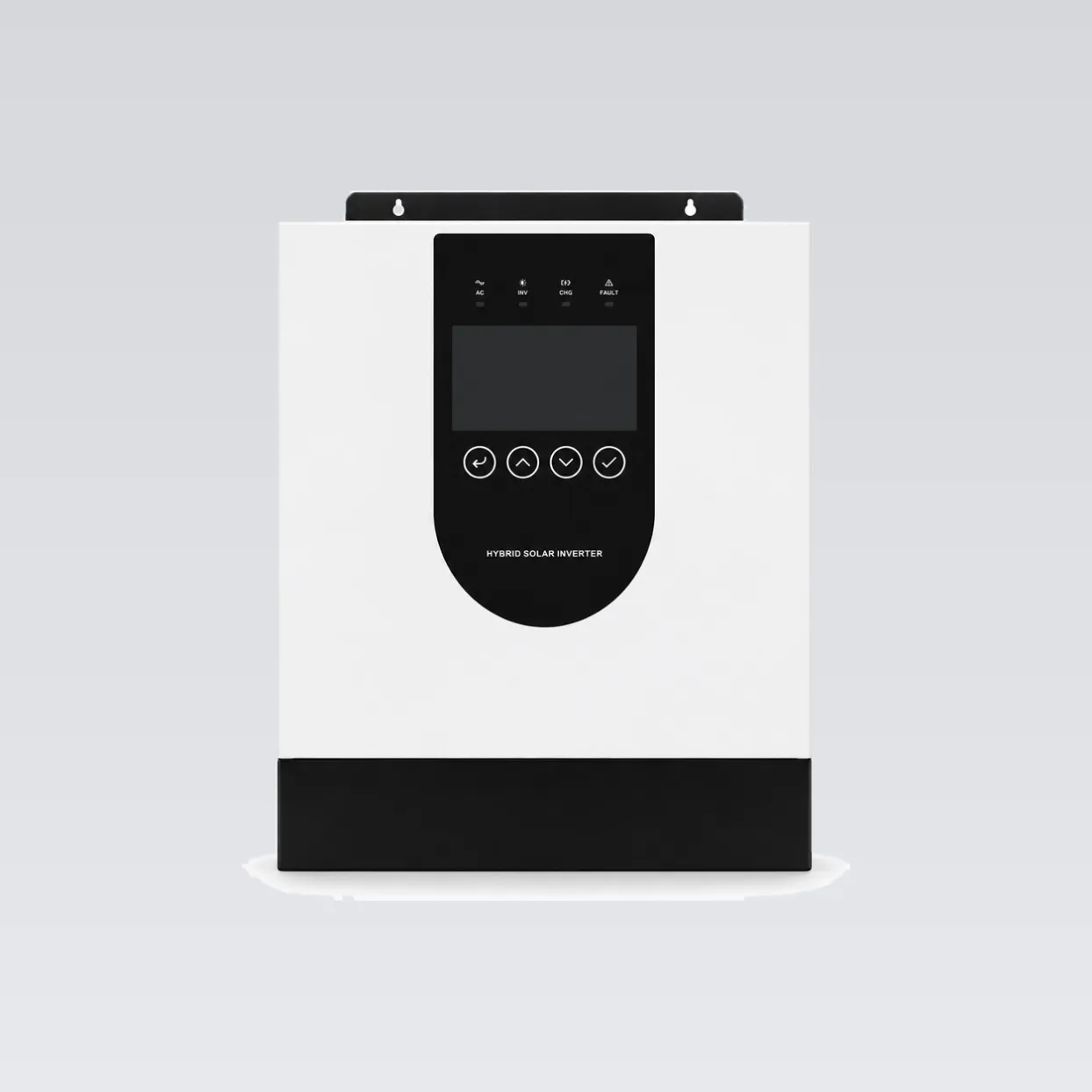
A hybrid inverter can integrate solar panels, battery storage, and utility grid power.
Depending on the model, it can manage different energy sources to support household consumption, battery charging, and backup power.
Typical applications include:
- Residential solar energy storage.
- Grid-connected backup systems.
- Self-consumption solar systems.
- Solar systems with battery storage.
The best choice depends on the local electricity supply, grid regulations, and the customer's energy requirements.
2. What Is a Split-Phase Solar Inverter?
A split-phase inverter provides two 120V output lines and a 240V output across the two lines in a typical 120/240V system.
It is commonly used in North American-style electrical systems and certain Caribbean and Central American markets.
Split-phase inverters are suitable for applications requiring both 120V and 240V loads.
For example:
- 120V household appliances.
- 240V air conditioners.
- Water pumps.
- Other residential electrical equipment.
When selecting a split-phase inverter, buyers should confirm:
- Rated output voltage.
- Continuous output power.
- Frequency: 50Hz or 60Hz.
- Maximum surge power.
- Output phase configuration.
- Compatibility with the local electrical system.
Do not assume that all inverters advertised as 110V/220V or 120V/240V have identical electrical configurations. Always check the product datasheet.
3. What Is Zero Feed-in and Why Is It Important?
Zero Feed-in is a function that helps prevent excess solar electricity from being exported to the utility grid.
In some markets, grid regulations or local electricity policies make exporting surplus solar power less attractive or more complicated.
A Zero Feed-in system typically uses a CT sensor or compatible meter to monitor power flow at the grid connection point.
The inverter then adjusts its output according to household consumption and configured export limits.
Potential benefits include:
- Reducing unintended electricity export.
- Supporting self-consumption applications.
- Helping meet certain local grid requirements.
- Improving energy management.
For distributors and EPC contractors, it is important to confirm whether the inverter supports CT anti-backflow functionality and whether the required sensors, meters, and configuration are included.
Zero Feed-in performance depends on the inverter model, installation, communication setup, and applicable grid regulations.
4. What Is MPPT and Why Does It Matter?
MPPT stands for Maximum Power Point Tracking.
It is a technology used in solar inverters to optimize the power collected from solar panels under changing sunlight and temperature conditions.
An inverter may have one or multiple MPPT channels.
Dual-MPPT inverters can provide greater flexibility when designing solar panel arrays with different orientations or operating conditions.
When evaluating an inverter, buyers should pay attention to:
- Number of MPPT trackers.
- MPPT operating voltage range.
- Maximum PV input voltage.
- Maximum PV input current.
- Maximum PV input power.
- Number of PV string inputs.
The correct solar panel configuration must be calculated according to the inverter specifications and the solar panel electrical characteristics.
5. Can Solar Inverters Work in Parallel?
Some solar inverters support parallel operation, while others are designed for standalone use only.
Parallel operation allows multiple compatible inverters to work together to increase total system output power.
For example, selected 10kW and 12kW models in our product range support parallel operation, while our 6.2kW non-parallel model is designed for standalone applications.
Depending on the model, parallel systems may support:
- Increased output power.
- Greater system flexibility.
- Expansion for larger residential applications.
- Three-phase system configurations.
Before selecting an inverter, confirm:
- Whether parallel operation is supported.
- Maximum number of parallel units.
- Communication and synchronization requirements.
- Single-phase or three-phase configuration.
- Required accessories and firmware.
Not every inverter can be connected in parallel. Always follow the manufacturer's parallel installation instructions.
6. What Is the Difference Between High-Frequency and Low-Frequency Inverters?
High-frequency and low-frequency inverters use different power conversion architectures.
High-Frequency Inverters
High-frequency inverters generally use high-frequency switching technology and electronic conversion components.
Common characteristics include:
- More compact design.
- Lower weight.
- Competitive manufacturing cost.
- Good suitability for many residential solar applications.
Low-Frequency Inverters
Low-frequency designs typically use a large-frequency transformer in their power conversion architecture.
Common characteristics may include:
- Heavier construction.
- Different overload and surge characteristics.
- Suitability for certain demanding motor-load applications.
- Higher material and manufacturing costs in many designs.
Neither type is automatically better for every application.
The right choice depends on load characteristics, starting current, surge requirements, operating conditions, and project budget.
For many price-sensitive residential solar markets, high-frequency inverters offer an attractive balance between functionality and cost.
7. What Is an All-in-One Energy Storage System?
An All-in-One Energy Storage System integrates major energy storage components into a coordinated product or cabinet.
Depending on the design, an integrated system may include:
- Solar inverter.
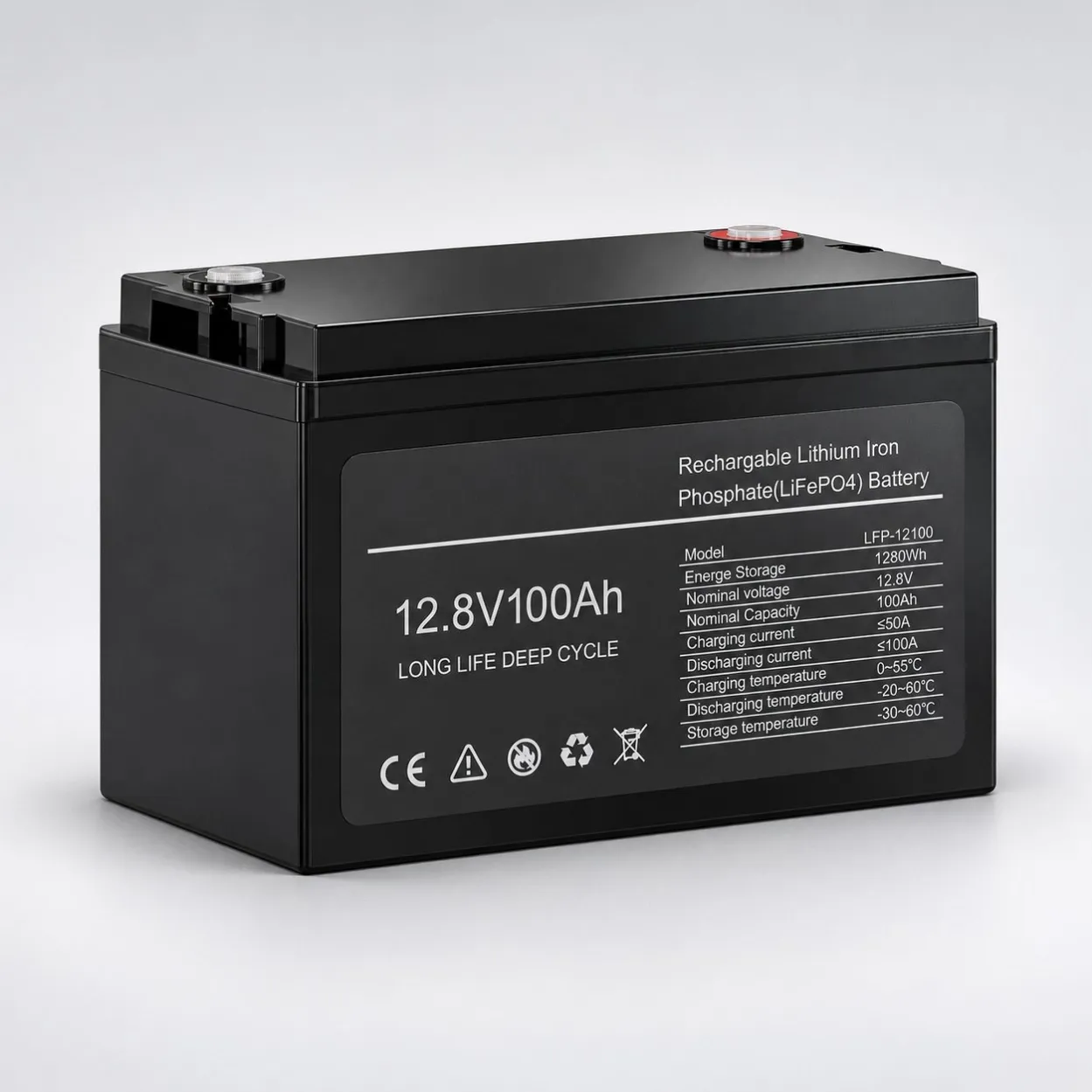
- LiFePO4 battery modules.
- Battery Management System (BMS).
- Protection and control components.
- Monitoring and communication interfaces.
Compared with a separate inverter and battery installation, an all-in-one system can offer several advantages:
Simplified Installation — Major components are integrated into one coordinated system, helping simplify installation and wiring.
Space Efficiency — An integrated cabinet can provide a more organized solution for residential or commercial applications.
System Compatibility — The inverter, battery, and control components can be configured to work together according to the system design.
Easier Product Management — For distributors and installers, integrated products can simplify product selection, installation planning, and after-sales communication.
The exact system architecture, battery capacity, and expansion options depend on the selected model.
8. Can the Battery Capacity of an All-in-One ESS Be Expanded?
Some all-in-one energy storage systems support modular battery expansion.
For example, systems designed with multiple battery modules can increase total energy capacity by adding compatible modules.
However, expansion is only possible when supported by the system architecture.
Before expanding a system, confirm:
- Battery module compatibility.
- Maximum supported battery capacity.
- Voltage and communication requirements.
- BMS configuration.
- Installation and protection requirements.
Using incompatible battery modules or connecting additional units without proper configuration may affect system performance and safety.
9. Can an Inverter Work With a Diesel Generator?
Selected off-grid and hybrid inverters support generator integration.
A generator can provide supplementary power when solar generation is insufficient or battery energy is low.
Depending on the inverter model, generator integration may support:
- Generator AC input.
- Battery charging from generator power.
- Configurable generator charging conditions.
- Dry-contact generator start/stop control.
This function is particularly useful in regions where grid electricity is unstable or unavailable.
Before purchasing, confirm the generator input specifications, power limits, and dry-contact functionality of the selected inverter.
10. Can a Solar Inverter Work Without a Battery?
Some inverter models support battery-less operation, while others require a battery to operate correctly.
Battery-less functionality can be useful in applications where customers initially want to use solar power without investing in battery storage.
However, the available operating modes and backup capabilities vary by model.
If a system needs to provide backup power during a grid outage, battery requirements must be checked carefully.
We recommend confirming the battery-less operating mode and its limitations before selecting an inverter.
11. How Do I Choose the Right Inverter Power?
The right inverter capacity depends on the total electrical load and the application requirements.
Before selecting an inverter, consider:
1. Total Load Power — Calculate the combined power consumption of the appliances that may operate simultaneously.
2. Starting Surge — Motors, pumps, refrigerators, and air conditioners may require significantly more power during startup.
3. Output Voltage — Confirm whether the application requires single-phase, split-phase, or three-phase power.
4. Solar Panel Capacity — Check the required PV input power and MPPT specifications.
5. Battery Capacity — Choose a battery configuration that provides the required backup time and discharge power.
6. Future Expansion — If the customer expects to expand the system, consider an inverter model that supports parallel operation or a modular storage design.
A properly designed system should match the customer's actual load profile rather than simply choosing the largest inverter available.
12. Can You Customize Solar Inverters and All-in-One ESS Products?
Yes. We support OEM cooperation and selected customization requirements for solar inverters and integrated energy storage systems.
Customization options may include:
- Customer brand logo.
- Product labels and exterior appearance.
- Customized packaging.
- Display language, where supported.
- Selected product configurations.
- Project-specific technical requirements.
Customization availability depends on the product model and manufacturing configuration.
For distributors and brand owners, private-label cooperation can help establish a consistent product identity across their energy storage portfolio.
13. What Technical Support Is Available for Project Customers?
For project-based customers, technical support is an important part of selecting an energy storage supplier.
Our engineering support team can assist with:
- Product specification confirmation.
- Battery and inverter compatibility.
- System configuration discussions.
- Parallel operation guidance.
- Communication settings.
- Technical documentation.
- Remote troubleshooting.
We encourage EPC contractors and project buyers to share their application requirements before ordering so that product selection and system configuration can be reviewed in advance.
Looking for a Solar Inverter or All-in-One ESS Supplier?
Selecting the right energy storage equipment requires a clear understanding of electrical requirements, application scenarios, product compatibility, and long-term technical support.
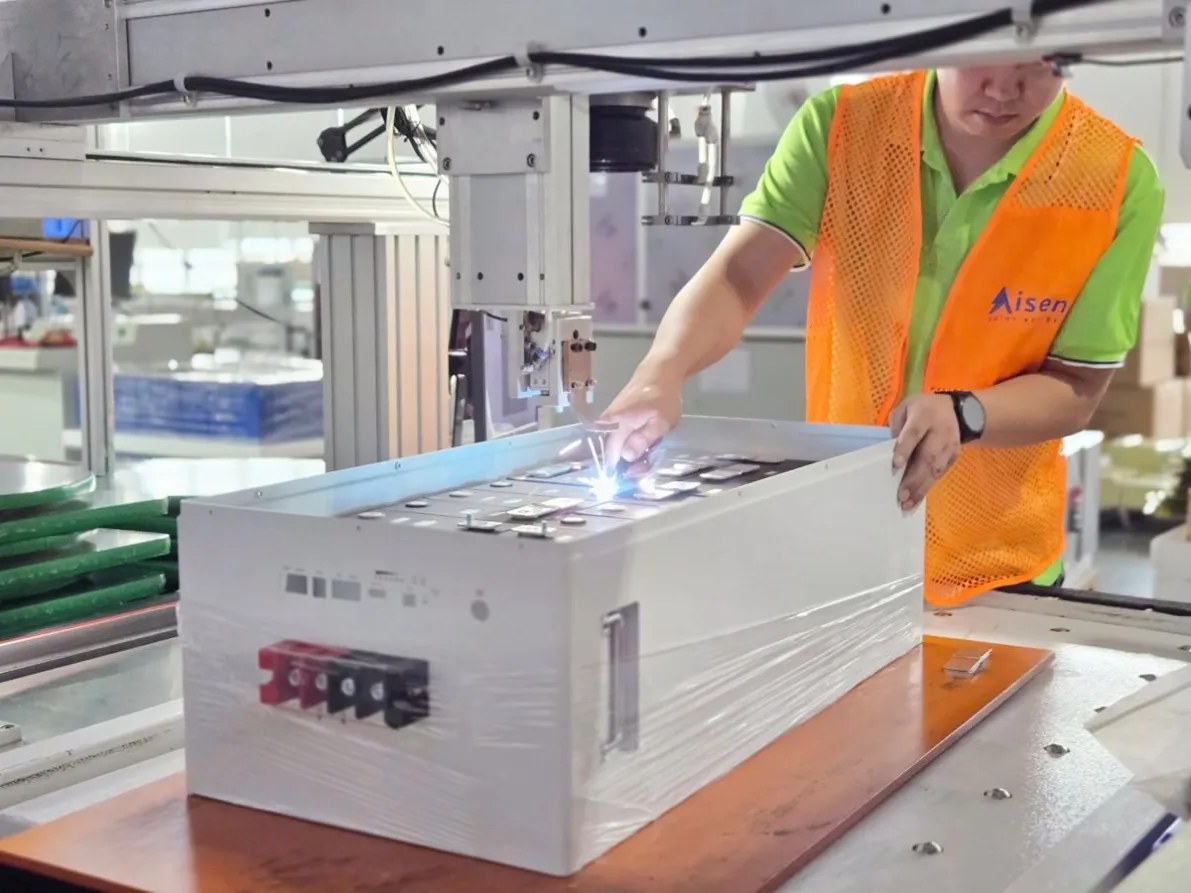
At Aisen, we provide LiFePO4 lithium batteries, solar inverters, and integrated energy storage solutions for international distributors, brand owners, and project contractors.
Whether you are developing a residential solar product range or sourcing equipment for an off-grid energy project, we are ready to discuss your requirements.
Contact Aisen to request product catalogs, technical specifications, and OEM/ODM cooperation information.