Lithium Battery FAQs: Everything Distributors and Project Buyers Need to Know
A Practical Guide to LiFePO4 Battery Technology, Quality, Compatibility and OEM Solutions
Lithium iron phosphate (LiFePO4) batteries have become an increasingly popular choice for residential energy storage, off-grid solar systems, and backup power applications.
However, choosing the right lithium battery involves more than comparing voltage, capacity, and price.
For distributors, importers, and project contractors, understanding battery cells, BMS protection, inverter compatibility, battery life, and quality control is essential.
Below are some of the most frequently asked questions about LiFePO4 lithium batteries.
1. What Type of Battery Cells Do You Use?
We prioritize Grade A brand-new LiFePO4 battery cells from qualified suppliers.
Battery cells are the foundation of a reliable battery pack. Their quality, capacity consistency, and internal resistance directly affect the performance and stability of the finished product.
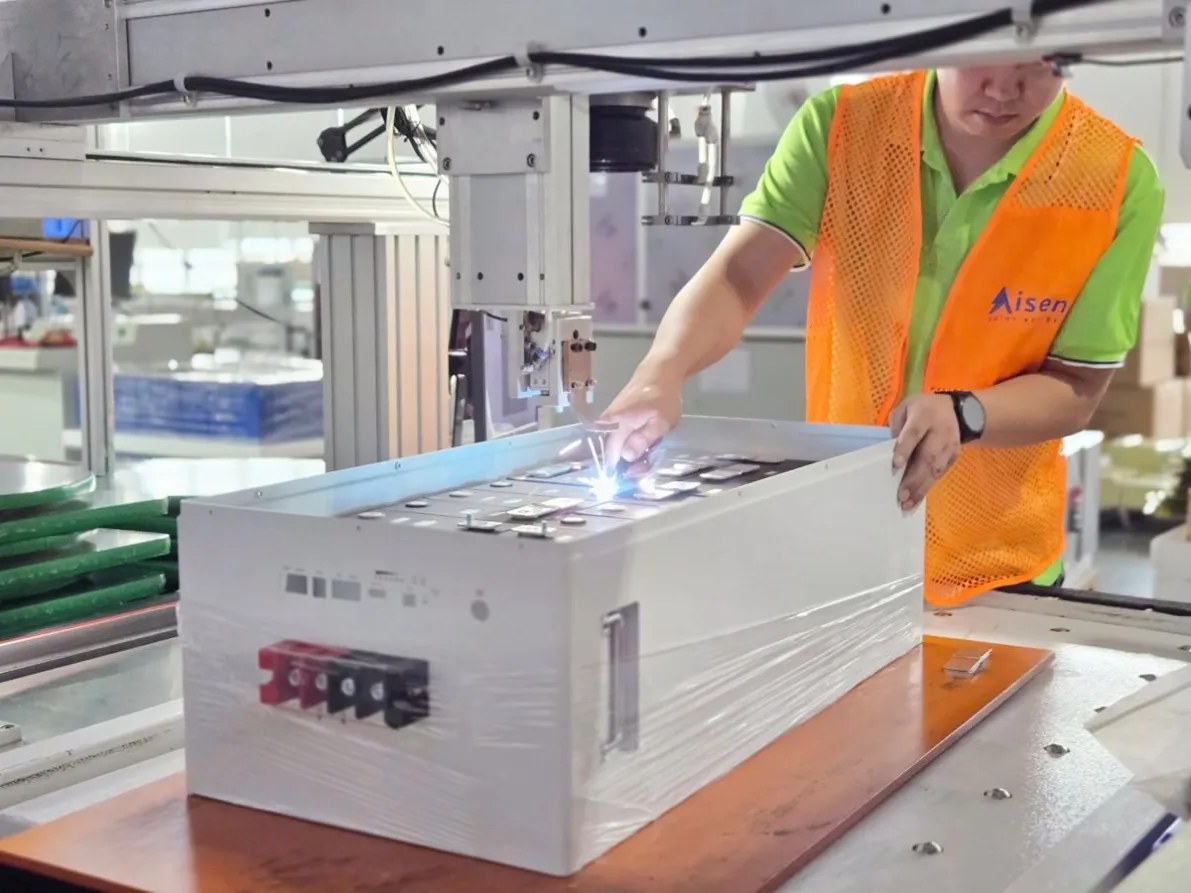
Before assembly, cells undergo relevant inspections and matching procedures, including voltage, internal resistance, and capacity checks.
We also emphasize batch management and cell traceability to support consistent production quality.
2. What Is the Difference Between Grade A and Second-Life Battery Cells?
Grade A cells are new cells that meet the supplier's applicable quality specifications.
Second-life cells are previously used cells that have been recovered and reused in another application.
For professional energy storage products, cell history and consistency are important considerations.
When evaluating a battery supplier, buyers should look beyond the Grade A label and ask:
- Are the cells brand-new?
- Can the cell batch be traced?
- Are voltage and internal resistance checked?
- Are cells matched before assembly?
- Does the manufacturer conduct finished-pack testing?
A Grade A label alone does not guarantee a consistent battery pack. Proper selection, matching, assembly, and quality control are equally important.
3. What Is a BMS and Why Does a Lithium Battery Need One?
BMS stands for Battery Management System.
It acts as the control and protection system of a lithium battery pack, monitoring important battery operating conditions and helping prevent unsafe operating situations.
Depending on the battery design, BMS protection functions may include:
- Overcharge protection.
- Over-discharge protection.
- Overcurrent protection.
- Short-circuit protection.
- High-temperature protection.
- Low-temperature protection.
- Cell voltage monitoring.
- Battery status monitoring.
Without an appropriate BMS, a lithium battery would lack essential protection and monitoring functions.
For distributors and brand owners, it is important to understand not only whether a battery has a BMS, but also which protection functions and communication features are supported.
4. Can I Monitor the Battery Through Bluetooth?
Yes. Selected battery models support Bluetooth monitoring.
With a compatible mobile application, users can check battery operating information, such as:
- Battery voltage.
- Current.
- State of Charge (SOC).
- Battery temperature.
- Individual cell voltage.
- Protection status.
The available monitoring information depends on the BMS configuration and application version.
Bluetooth monitoring is particularly useful for installers and end users because it makes battery status checks easier without requiring additional monitoring equipment.
5. Are Your Lithium Batteries Compatible With Deye, Growatt, GoodWe and Solis Inverters?
Compatibility depends on the battery model, BMS communication protocol, inverter model, and firmware configuration.
Many solar inverters communicate with lithium batteries through CAN or RS485 interfaces.
We support communication and compatibility verification for selected inverter brands, including:
- Deye.
- Growatt.
- GoodWe.
- Solis.
- Other compatible inverter models.
Before purchasing, we recommend confirming the exact inverter model and communication requirements.
Our engineering team can assist with checking the communication protocol, wiring configuration, and relevant BMS settings.
A battery having a CAN or RS485 port does not automatically mean it is compatible with every inverter. The communication protocol must also match.
6. Can Multiple Lithium Batteries Be Connected in Parallel?
Yes. Many of our battery models support parallel connection, subject to the product specifications.
Parallel connection allows users to increase the total available battery capacity.
However, correct configuration is essential.
Before connecting batteries in parallel, consider the following:
- Use batteries with the same voltage, model, and capacity.
- Follow the manufacturer's requirements for batch and configuration matching.
- Ensure the voltage difference between battery packs is within the specified limit. Our parallel setup guidance uses a maximum difference of 3V as a pre-check.
- Assign a unique DIP address to each battery where required.
- Verify successful parallel communication before connecting the system to the inverter.
- For systems with more than five battery units, a suitable combiner box is required under our applicable configuration guidance.
We do not recommend connecting batteries in series unless the specific product is explicitly designed and approved for that configuration.
Always follow the battery manual and confirm the parallel configuration with the technical team before installation.
7. What Is the Expected Cycle Life of a LiFePO4 Battery?
LiFePO4 batteries are widely used in energy storage applications because of their durability and long cycle life.
However, actual cycle life depends on several factors:
- Battery cell quality.
- Depth of Discharge (DoD).
- Charging and discharging current.
- Operating temperature.
- Charging voltage and settings.
- BMS protection and system configuration.
For this reason, buyers should evaluate cycle life based on the manufacturer's test conditions rather than comparing cycle numbers alone.
When requesting a quotation, we recommend asking for the relevant product datasheet and cycle-life test conditions.
8. Can LiFePO4 Batteries Replace Lead-Acid Batteries?
Yes. Certain LiFePO4 batteries are designed as direct application alternatives to traditional lead-acid batteries.
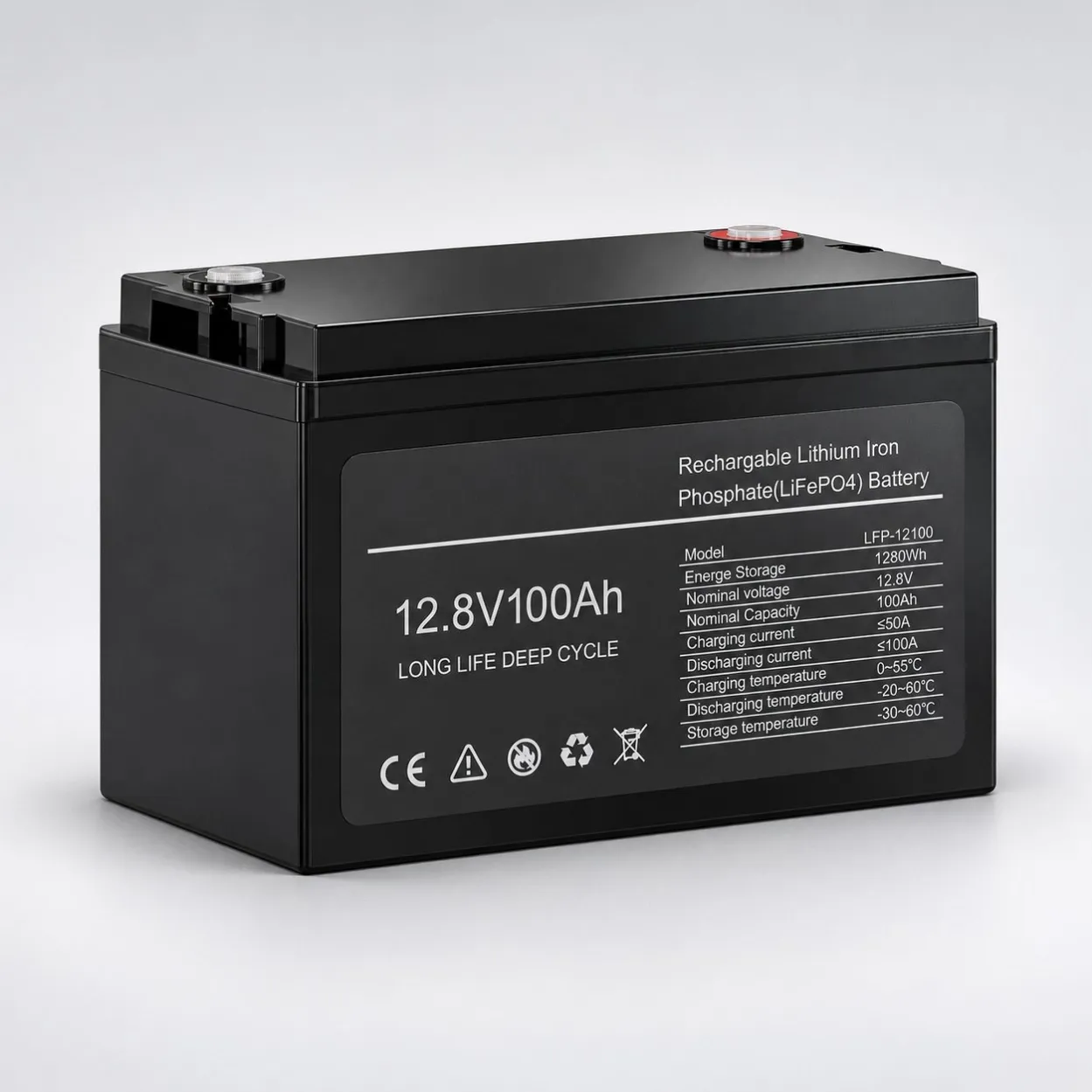
For example, 12.8V lithium batteries are commonly used in applications that previously relied on 12V lead-acid batteries.
Compared with lead-acid batteries, LiFePO4 batteries generally offer:
- Higher usable energy capacity.
- Lower weight for comparable energy storage.
- Longer cycle life.
- Faster charging capability.
- Integrated BMS protection.
- More convenient battery monitoring on Bluetooth-enabled models.
However, voltage, charging parameters, dimensions, terminal positions, and inverter compatibility should be checked before replacement.
A lead-acid charging profile should not automatically be used for a lithium battery.
9. What Charging Settings Should Be Used for LiFePO4 Batteries?
Correct charging settings are important for battery performance and service life.
For lithium batteries, the inverter or charger should be configured according to the battery manufacturer's recommended voltage and current settings.
We generally recommend:
- Selecting the lithium battery mode when supported.
- Using the recommended charging voltage.
- Setting appropriate charging and discharging current limits.
- Configuring communication parameters when CAN or RS485 communication is used.
- Avoiding prolonged unnecessary float charging.
The correct settings depend on the battery model and BMS specifications.
Always refer to the product datasheet or request technical guidance before configuring the inverter.
10. Can Lithium Batteries Be Installed Outdoors?
This depends on the battery enclosure, IP protection rating, and installation requirements.
The IP rating indicates the level of protection provided against solid objects and water ingress.
Before installing a battery outdoors, check:
- The specified IP rating.
- Permitted operating temperature.
- Protection against direct sunlight.
- Ventilation and installation requirements.
- Protection from rain, flooding, and extreme weather.
An IP rating does not mean that a battery can be installed in every outdoor environment.
We recommend checking the specific product datasheet before installation.
11. What Documents Are Available for Exporting Lithium Batteries?
International transportation of lithium batteries requires appropriate product and shipping documentation.
Depending on the battery model and shipment requirements, relevant documents may include:
- UN38.3 Test Report.
- MSDS/SDS.
- Product specifications.
- Packaging information.
- Applicable transportation documentation.
Buyers should confirm the required documents with their freight forwarder and destination-country authorities before shipment.
12. Can You Customize Lithium Batteries With Our Own Brand?
Yes. OEM and private-label customization is one of our core services.
We work with brand owners and distributors to customize products according to their market requirements.
Available options may include:
- Custom logo printing.
- Customized product labels.
- Product appearance and color.
- Customized cartons and color boxes.
- Packaging and shipping marks.
- Display language and selected technical configurations.
For selected 12.8V battery models, our typical private-label MOQ starts from 100 units. The final MOQ depends on the product model, customization requirements, and packaging.
We recommend discussing your target market and expected order quantity with our sales team.
13. What Warranty and After-Sales Support Do You Provide?
Warranty terms depend on the specific product model and agreed sales conditions.
We also provide technical assistance to help customers with product evaluation, installation questions, and troubleshooting.
Our support may include:
- Product documentation.
- Technical consultation.
- Battery and inverter compatibility guidance.
- Remote troubleshooting.
- Test videos and inspection information.
- Engineering communication support.
For distributors and brand owners, we understand that after-sales support is important for protecting their local market reputation.
Looking for a Reliable Lithium Battery OEM Partner?
Choosing a lithium battery supplier is a long-term business decision.
Beyond product pricing, buyers should evaluate cell quality, BMS configuration, manufacturing consistency, inverter compatibility, documentation, and technical support.
At Aisen, we focus on LiFePO4 battery products and OEM/ODM solutions for global energy brands.
Contact us to discuss your battery requirements, request product specifications, or explore private-label cooperation.